
Introduction
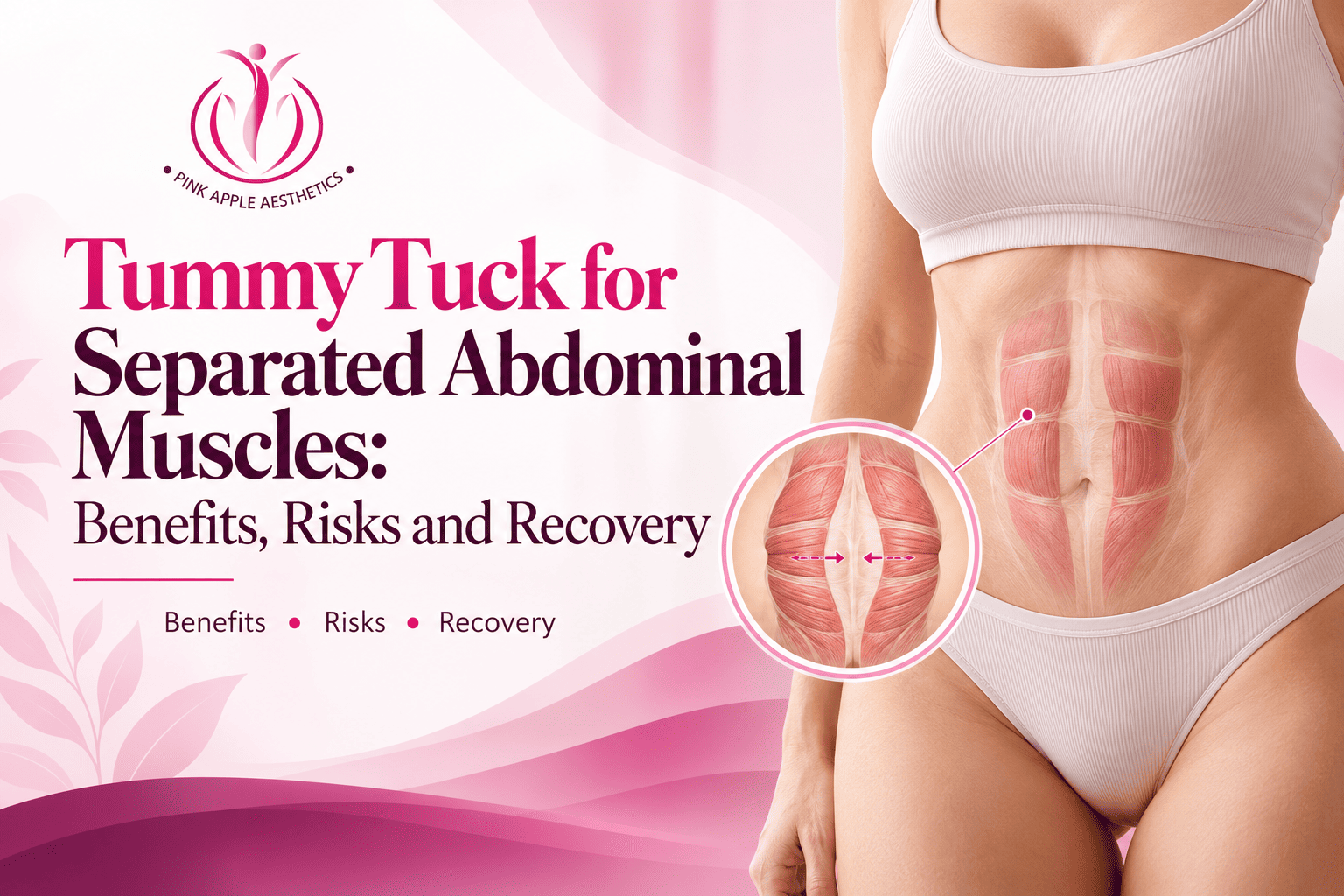
A persistent abdominal bulge after pregnancy or significant weight changes is not always caused by excess fat. In some individuals, it may be associated with diastasis recti, a condition in which the two sides of the rectus abdominis muscles separate along the midline of the abdomen.
This separation can affect abdominal contour and, in some cases, contribute to core weakness or difficulty with certain movements. When loose skin and muscle separation occur together, a tummy tuck, medically known as abdominoplasty, may be considered as a treatment option for selected patients.
However, tummy tuck surgery is a major surgical procedure and carries potential risks. Understanding how abdominal muscle repair works, who may benefit, what recovery involves and which complications are possible can help you make an informed decision.
In this guide, we explore tummy tuck surgery for separated abdominal muscles, including its benefits, limitations, risks and recovery considerations.
What Is Diastasis Recti?
Diastasis recti is the separation or widening of the connective tissue between the left and right rectus abdominis muscles, commonly known as the abdominal muscles or “six-pack” muscles.
It frequently occurs during pregnancy as the abdominal wall stretches to accommodate the growing baby. It can also occur in other circumstances involving increased abdominal pressure or changes in the abdominal wall.
Common signs may include:
- A visible bulge or ridge along the middle of the abdomen.
- A doming appearance when sitting up or straining.
- Reduced abdominal support or a feeling of core weakness.
- Difficulty performing some abdominal movements comfortably.
Not everyone with diastasis recti experiences pain or functional problems. A persistent abdominal bulge can also have other causes, including excess skin, localised fat or an abdominal hernia. A healthcare professional can help distinguish between these conditions.
Can a Tummy Tuck Repair Separated Abdominal Muscles?
Yes. A full tummy tuck may include a surgical technique called abdominal muscle plication, in which the surgeon brings the separated abdominal tissues closer together and secures them with sutures.
The purpose is to improve abdominal wall support and contour in appropriately selected patients.
A tummy tuck may be considered when diastasis recti occurs alongside excess abdominal skin, particularly after pregnancy or substantial weight loss.
The procedure may involve:
- Removing excess skin from the abdomen.
- Tightening the abdominal wall where clinically appropriate.
- Improving the contour of the abdominal region.
- Repositioning the belly button when required by the surgical technique.
A tummy tuck is not necessary for everyone with diastasis recti. Some individuals may benefit from physiotherapy and appropriate core rehabilitation, while others may need assessment for a hernia or another abdominal condition.
Surgery should be considered only after an individual clinical evaluation.
Who May Benefit From Tummy Tuck Surgery for Diastasis Recti?
A plastic surgeon may consider abdominoplasty with muscle repair for individuals who:
- Have persistent abdominal muscle separation.
- Have excess skin following pregnancy or significant weight loss.
- Have a stable body weight.
- Are in suitable general health for surgery.
- Have realistic expectations about the results, scars and recovery.
- Have completed their desired pregnancies or understand how future pregnancy may affect the outcome.
The appropriate treatment depends on the extent of muscle separation, skin laxity, abdominal anatomy, general health and individual goals.
People with a suspected abdominal hernia may need additional evaluation before a treatment plan is decided.
Can Exercise Fix Separated Abdominal Muscles?
Exercise and physiotherapy may help improve core function and symptoms associated with diastasis recti. A qualified physiotherapist can assess abdominal wall function and recommend an appropriate rehabilitation programme.
However, exercise does not remove excess skin, and its effect on the width of the separation varies between individuals.
Surgery may be considered when persistent muscle separation and excess skin remain significant concerns despite appropriate conservative management.
The decision should not be based on appearance alone. Functional symptoms, personal goals, medical history and the benefits and risks of each treatment option should all be considered.
What Are the Potential Benefits of a Tummy Tuck With Muscle Repair?
For suitable candidates, a tummy tuck with abdominal muscle repair may provide several benefits.
1.Improved Abdominal Contour
Removing excess skin and tightening the abdominal wall may create a flatter abdominal profile. The result depends on the individual’s anatomy and the extent of the procedure.
2. Removal of Excess Skin
Pregnancy and substantial weight loss can leave loose skin that does not respond to exercise. Abdominoplasty can remove selected areas of excess skin.
3. Abdominal Wall Support
Repairing the separated tissues may improve abdominal wall support in some patients. The degree of functional improvement varies, and surgery cannot guarantee the resolution of every symptom.
4. Addressing Multiple Concerns in One Procedure
For selected patients, a tummy tuck may address excess skin and muscle separation during the same operation.
These benefits must be weighed against the possibility of complications, scarring and a substantial recovery period.
Tummy Tuck Risks and Complications
A tummy tuck is a major operation. Although careful patient selection and appropriate surgical care help manage risk, complications can still occur.
Potential risks include the following.
1. Infection
An infection can develop at the incision or, less commonly, in deeper tissues. Treatment may involve antibiotics, wound care or additional procedures.
Increasing redness, worsening pain, fever or discharge from the wound should be assessed promptly.
2. Bleeding and Haematoma
Bleeding can occur during or after surgery. A haematoma is a collection of blood beneath the skin and may require medical treatment or surgical drainage.
3. Seroma
A seroma is a collection of fluid beneath the skin. It may cause swelling or a feeling of fluid movement and sometimes requires drainage or follow-up treatment.
4. Wound-Healing Problems
Some patients experience delayed healing, wound separation or skin breakdown. Risk may be influenced by smoking, nicotine exposure, circulation, nutritional status, underlying medical conditions and the extent of surgery.
5. Scarring
A tummy tuck leaves permanent scars, usually across the lower abdomen. Scars may become raised, widened, darker or more noticeable than expected.
Scar placement and appearance vary, and complete scar removal is not possible.
6. Changes in Skin Sensation
Numbness, tingling or altered sensation around the abdomen may occur after surgery. Some changes improve over time, but persistent sensory changes are possible.
7. Blood Clots
Major surgery can increase the risk of blood clots in the legs. A clot may travel to the lungs, causing a potentially life-threatening pulmonary embolism.
The surgical team assesses individual risk and may recommend early walking, compression measures or medication where appropriate.
8. Anaesthesia-Related Complications
General anaesthesia carries risks that depend on the patient’s health, medications and the nature of the operation. These risks should be discussed with the anaesthesia team before surgery.
9. Unsatisfactory Contour or Asymmetry
The abdomen may not appear exactly as expected. Residual skin laxity, asymmetry, contour irregularities or changes in the appearance of the belly button may occur.
Some patients may consider additional treatment or revision surgery.
10. Complications Related to Muscle Repair
Muscle repair may cause tightness or discomfort during recovery. The repair can also be affected by healing, significant weight changes or future pregnancy.
The potential benefits and limitations of muscle plication should be discussed with the surgeon.
Who Has a Higher Risk of Tummy Tuck Complications?
Individual surgical risk varies. Factors that may increase risk or affect recovery include:
- Smoking or nicotine use.
- Poorly controlled diabetes or certain other medical conditions.
- Significant obesity or unstable body weight.
- A history of blood clots or relevant clotting disorders.
- Poor nutritional status.
- Certain medications that affect bleeding or healing.
- Previous abdominal surgery.
- Combining several procedures or undertaking extensive surgery.
- Inadequate postoperative support or difficulty following recovery restrictions.
These factors do not automatically mean that surgery is impossible. They require individual assessment, risk reduction and appropriate planning.
Patients should disclose their full medical history and medication use, including supplements, to their healthcare team.
How Can You Prepare to Reduce Surgical Risks?
Although complications cannot be eliminated entirely, appropriate preparation can help improve safety.
Before Surgery
- Choose a qualified plastic surgeon with appropriate training and experience.
- Discuss your medical history, previous operations and all medications.
- Follow medical advice about smoking and nicotine cessation.
- Work towards a stable weight and appropriate nutritional status.
- Complete any recommended medical assessments.
- Understand the expected results, limitations, scar placement and recovery requirements.
- Arrange assistance at home during the early recovery period.
Do not stop prescribed medication without guidance from your treating clinician.
After Surgery
- Follow wound-care and medication instructions.
- Walk as advised by your surgical team to support recovery and reduce clot risk.
- Avoid heavy lifting and strenuous exercise until cleared.
- Attend scheduled follow-up appointments.
- Wear a compression garment only as instructed.
- Contact your surgical team if you develop concerning symptoms.
Seek urgent medical attention for sudden shortness of breath, chest pain, fainting or significant breathing difficulty. Severe or rapidly worsening abdominal pain, heavy bleeding or other acute symptoms also require urgent assessment.
Recovery After Tummy Tuck With Muscle Repair
Recovery varies according to the extent of skin removal, the amount of muscle repair, general health and individual healing.
First Week
Swelling, bruising, tightness and discomfort are common. Patients may need assistance with everyday tasks and should follow instructions about movement, sleeping position, wound care and medication.
Short walks are generally encouraged as directed by the surgical team.
Weeks 2–3
Mobility may gradually improve, but swelling and discomfort can persist. Some patients may return to desk-based work depending on their progress and the surgeon’s advice.
Heavy lifting and strenuous activities remain restricted.
Weeks 4–6
Many patients continue to regain comfort and independence. Exercise, driving, work and lifting should be resumed only when appropriate for the individual’s healing and after medical clearance.
Beyond Six Weeks
Healing continues after the initial recovery period. Swelling, scar changes and altered sensation may take months to improve. Some patients require longer activity restrictions.
Do not use a general recovery timeline as a substitute for your surgeon’s instructions.
Can Diastasis Recti Return After a Tummy Tuck?
Surgical muscle repair can improve abdominal wall alignment, but recurrence or persistent separation may occur in some circumstances.
Future pregnancy, significant weight changes, healing-related factors and individual anatomy may influence long-term results.
People planning future pregnancies should discuss timing carefully with their plastic surgeon. Surgery is generally best considered when weight is relatively stable and future pregnancy plans have been taken into account.
Frequently Asked Questions
1. Is tummy tuck surgery the only treatment for diastasis recti?
No. Physiotherapy and appropriate core rehabilitation may help improve function and symptoms. Surgery may be considered for selected patients with persistent concerns, particularly when excess skin is also present.
2. Does a tummy tuck completely fix separated abdominal muscles?
A tummy tuck with muscle plication can bring separated tissues closer together, but outcomes vary. It cannot guarantee complete correction of every symptom or prevent future changes.
3. Is tummy tuck surgery safe?
A tummy tuck is a major operation with potential complications. Its suitability and risks depend on individual health, the extent of surgery and other factors. A consultation with a qualified plastic surgeon is essential.
4. What is the most serious risk of a tummy tuck?
Serious complications can include blood clots that travel to the lungs, significant bleeding, severe infection and anaesthesia-related complications. Their likelihood varies according to individual circumstances and surgical factors.
5. Can diastasis recti return after muscle repair?
Recurrence is possible. Future pregnancy, significant weight changes and other healing-related factors may affect the durability of the repair.
6. How long does recovery take after tummy tuck muscle repair?
Initial recovery often takes several weeks, while swelling, scar maturation and complete healing may take several months. The exact timeline depends on the procedure and individual recovery.
7. Will a tummy tuck remove stretch marks?
Some stretch marks located on skin that is removed during surgery may be removed with it. Stretch marks outside the excised area generally remain, although their appearance may change as the abdominal skin is tightened.
8. Can tummy tuck surgery be combined with liposuction?
In selected patients, the procedures may be combined. Suitability depends on the individual’s anatomy, health, surgical plan and overall risk profile.
9. When should I seek medical attention after surgery?
Contact your surgical team promptly if you experience fever, increasing redness, worsening pain, unusual wound discharge or unexpected swelling. Sudden shortness of breath, chest pain or fainting requires emergency medical attention.
10. Where can I consult a plastic surgeon for tummy tuck surgery in Bangalore?
You can contact Pink Apple Aesthetics to enquire about a consultation with its plastic surgery team. An individual examination is necessary to assess diastasis recti, determine suitability for surgery and discuss potential risks.
Conclusion
Diastasis recti can contribute to abdominal bulging and may occur alongside loose skin after pregnancy or significant weight changes. For selected patients, a tummy tuck with abdominal muscle repair may improve abdominal contour and support.
However, surgery is not the only option for every patient and carries risks including infection, bleeding, fluid accumulation, wound-healing problems, scarring and blood clots.
A thorough consultation with a qualified plastic surgeon can help determine whether surgery is appropriate, explain alternative treatments and establish realistic expectations for recovery and results.
Considering tummy tuck surgery in Bangalore? Contact Pink Apple Aesthetics to enquire about a consultation and discuss your abdominal concerns, treatment options and surgical risks.
Medical disclaimer: This article is intended for educational purposes only and does not replace professional medical assessment or individualised treatment advice.


