
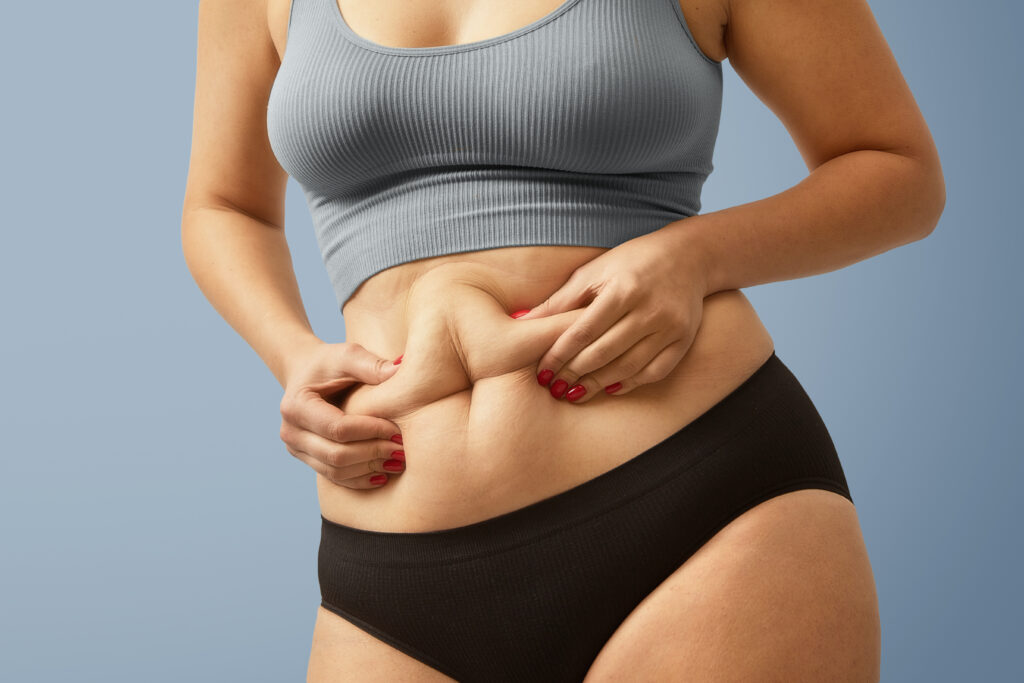
Walk into any consultation in Bangalore and you’ll hear it: “We do VASER liposuction — it’s the latest technology.” It sounds reassuring, modern, premium. But what does it actually mean? And is it genuinely better than traditional liposuction, or just a more expensive marketing label?
At Pink Apple Aesthetics, this is one of the most common questions we get from patients researching liposuction in Bangalore. And the honest answer is more nuanced than most clinics will admit — neither technique is universally “better.” Each has its own strengths, ideal candidates, and trade-offs.
This guide cuts through the marketing and gives you the truthful comparison.
What Is Traditional Liposuction?
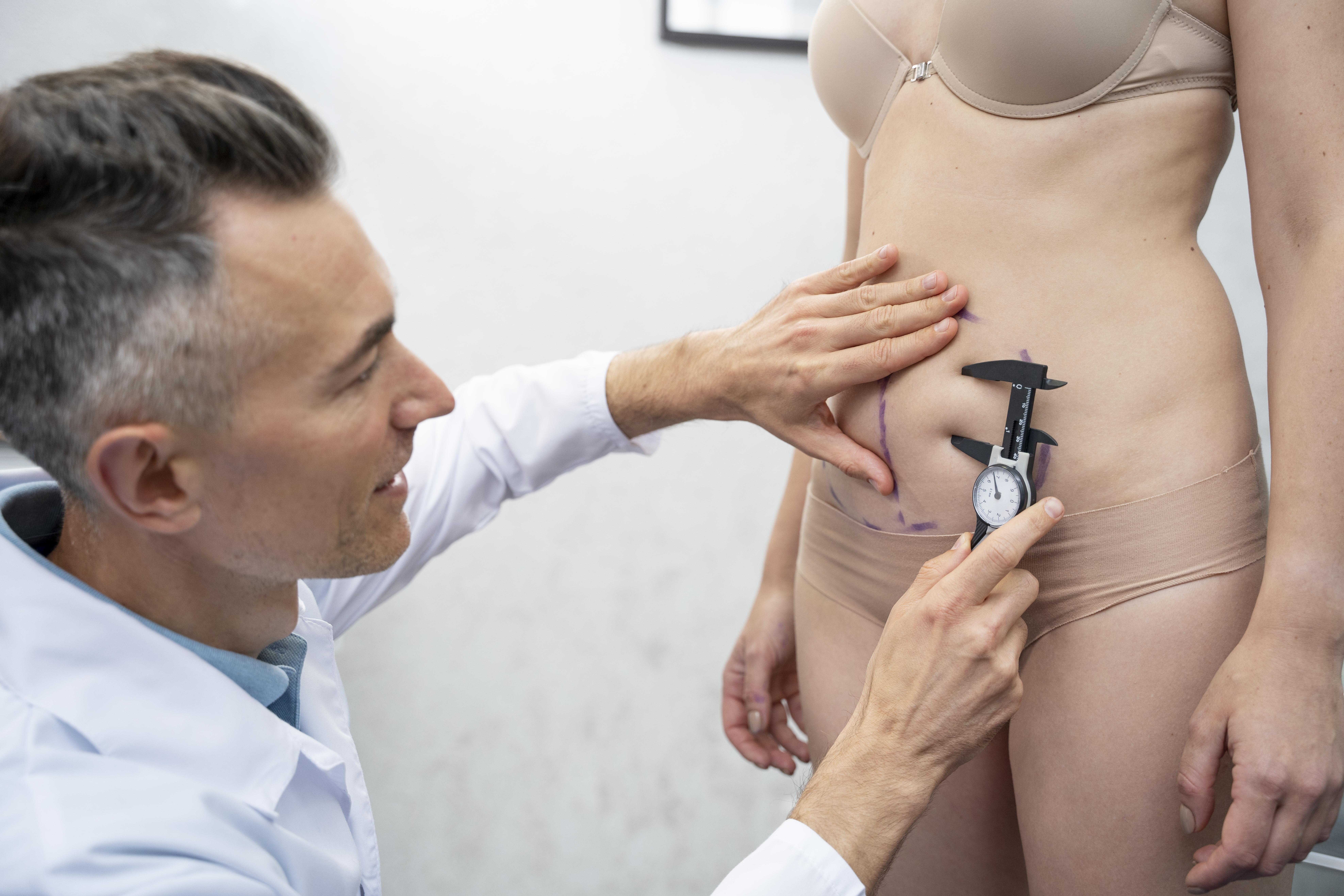
Traditional liposuction (also called suction-assisted liposuction or SAL) is the original, time-tested technique used by plastic surgeons since the 1980s. It works through a simple mechanical process:
- A thin hollow tube called a cannula is inserted through small incisions
- The surgeon manually moves the cannula back and forth to break apart fat tissue
- A vacuum suction simultaneously removes the dislodged fat
It’s typically performed using the tumescent technique — where a saline solution containing local anaesthetic and a vasoconstrictor is injected first to numb the area, reduce bleeding, and make fat easier to extract.
Traditional liposuction is reliable, well-studied, and remains the gold standard for many surgical scenarios.
What Is VASER Liposuction?

VASER stands for Vibration Amplification of Sound Energy at Resonance. It’s a third-generation ultrasound-assisted liposuction technology that adds a preliminary step before the fat is suctioned out:
- The same tumescent fluid is injected
- A specialised probe emits ultrasound energy that selectively breaks down (emulsifies) fat cells
- Once liquefied, the fat is removed with a finer cannula, requiring less manual force
The key word is selectively — VASER’s ultrasound frequency targets fat cells while leaving blood vessels, nerves, and connective tissue largely intact.
The Real Differences That Matter
Marketing materials make it sound like VASER is universally superior. The clinical reality is more specific.
Precision VASER offers better precision in fibrous, dense, or fibrotic fat — areas like the male chest, upper back, and previously operated regions. Traditional liposuction is equally effective in soft, easily mobilised fat like the lower abdomen and thighs.
Bleeding and Bruising VASER typically produces less bleeding and bruising because the ultrasound coagulates small vessels as it breaks down fat. Traditional liposuction generally involves slightly more bruising in the first 7–10 days.
Skin Retraction This is VASER’s most marketed advantage. The ultrasound energy is believed to stimulate mild collagen contraction, helping skin retract better after fat removal. The effect is real but modest — VASER does not replace surgical skin tightening or a tummy tuck for significantly loose skin.
Definition and Sculpting For high-definition body sculpting (HD lipo, lipo-etching, six-pack carving), VASER is the technology of choice. The precision allows surgeons to selectively remove superficial fat to reveal underlying muscle contours — something traditional liposuction cannot reliably achieve.
Recovery Time Liposuction recovery in Bangalore is broadly similar with both techniques, though VASER patients often report slightly less soreness in the first week. Compression garments, activity restrictions, and final result timelines remain comparable.
Cost VASER typically costs 25–40% more than traditional liposuction due to equipment costs and training requirements. In Bangalore, this can mean a difference of ₹30,000 to ₹1,00,000 depending on body areas treated.
Which One Is Right for You?
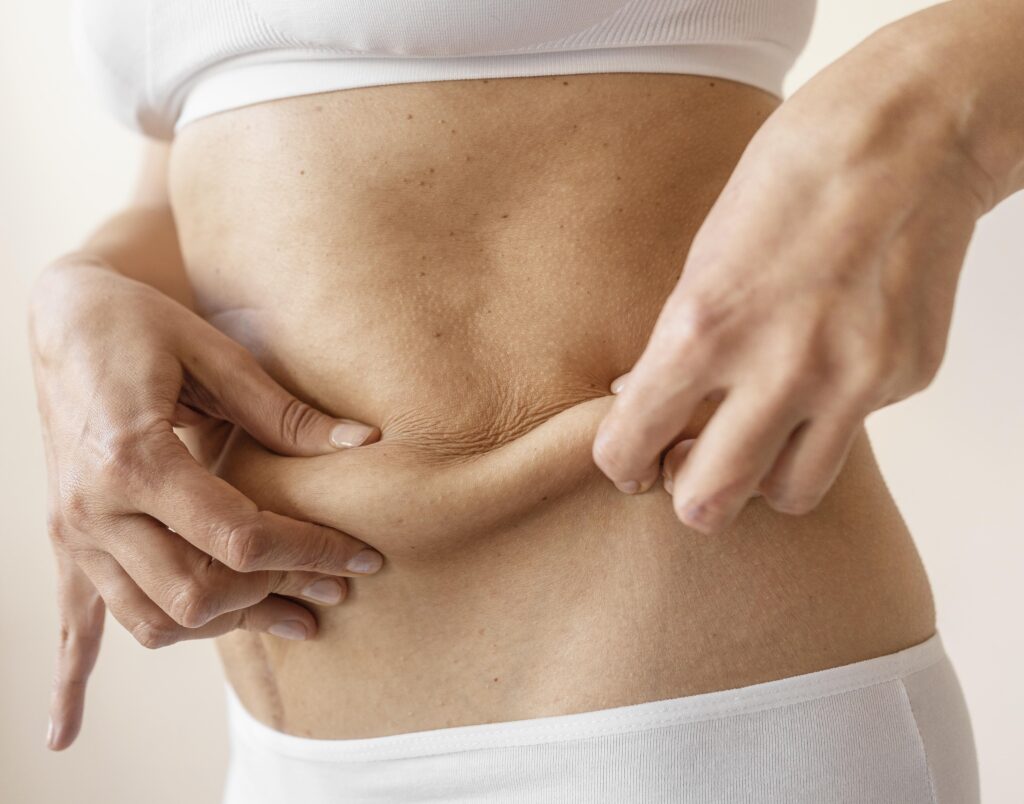
There’s no universal winner — it depends on your body, goals, and specific surgical site.
Traditional liposuction is often the better choice when:
- You have soft, easily mobilised fat (lower abdomen, outer thighs)
- You want body contouring without high-definition sculpting
- You’re cost-conscious and don’t need premium pricing
- The volume of fat to remove is large but uncomplicated
VASER liposuction is often the better choice when:
- You have fibrous fat (male chest, upper back, neck, previously operated areas)
- You want HD body sculpting or visible muscle definition
- Skin retraction is a concern (mild to moderate skin laxity)
- You’re treating delicate areas like the chin, arms, or inner thighs
As one of the best cosmetic surgery clinics in Bangalore that offers both technologies, our approach is to recommend based on the patient’s anatomy — not the equipment we want to upsell. A good surgeon should be able to tell you when traditional lipo is actually the better choice.
Safety: Is One Safer Than the Other?
Both techniques are safe in skilled hands. However:
- VASER carries a small risk of thermal injury (skin burns) if the ultrasound is applied too long or too superficially
- Traditional liposuction carries a slightly higher risk of contour irregularities in fibrous tissue
- Both share the standard liposuction risks: infection, fluid imbalance, asymmetry, and (rarely) fat embolism
The single biggest safety factor isn’t the technology — it’s the surgeon’s experience and the clinic’s safety protocols.
Frequently Asked Questions
1. Is VASER liposuction better than traditional liposuction? Not universally. VASER is better for fibrous fat, HD sculpting, and skin retraction. Traditional liposuction remains excellent for soft fat and large-volume contouring. The right choice depends on your anatomy and goals.
2. Is VASER liposuction painful? Both techniques cause similar post-operative pain, though VASER patients often report slightly less soreness in the first week. The procedure itself is performed under anaesthesia — pain is post-operative, not intra-operative.
3. Does VASER tighten skin? VASER produces a mild skin tightening effect through collagen stimulation, but it does not replace surgical skin tightening. For significant skin laxity, a tummy tuck or body lift may still be needed.
4. How much does VASER liposuction cost in Bangalore? VASER costs typically range from ₹1,00,000 to ₹4,50,000 in Bangalore depending on the number of areas, surgeon, and clinic. This is generally 25–40% more than traditional liposuction.
5. Can VASER remove more fat than traditional liposuction? Both techniques remove similar volumes of fat. VASER’s advantage is precision, not capacity. Maximum safe fat removal in a single session is typically 4–5 litres regardless of technique.
6. Is VASER liposuction permanent? Yes — fat cells removed by VASER do not return. However, remaining fat cells in untreated areas can still enlarge with weight gain. Maintaining a stable weight after surgery is essential.
7. How long is the recovery after VASER vs traditional liposuction? Recovery timelines are largely similar — 1 week off work, 4–6 weeks of compression garments, 3–6 months for final results. VASER patients sometimes return to light activity slightly faster.
8. Which liposuction technique is best for the abdomen? For soft abdominal fat, traditional liposuction works excellently. For fibrous post-pregnancy abdomens or HD ab definition, VASER offers better precision.
Choosing the Right Surgeon Matters More Than the Technology

Whether you choose VASER or traditional liposuction, the surgeon performing the procedure matters far more than the equipment used. A skilled surgeon with traditional liposuction will outperform an inexperienced surgeon with VASER every time.
When researching the best plastic surgeons in Bangalore, ask about case volume in your specific body area, request to see actual before-and-after results from their work, and confirm they offer both technologies. A surgeon who only uses one technique often recommends it regardless of whether it’s right for you.
Unsure which liposuction technique fits your body and goals?
📍 Pink Apple Aesthetics — Bangalore 📞 Book a personalised consultation with our plastic surgery team for honest, technique-neutral guidance.
This article is for educational purposes only. All surgical decisions should be made in consultation with a qualified plastic surgeon registered with the National Medical Commission.


