
What the minimally invasive technique means for your results, your recovery, and your peace of mind — explained for patients considering breast augmentation in Bangalore.
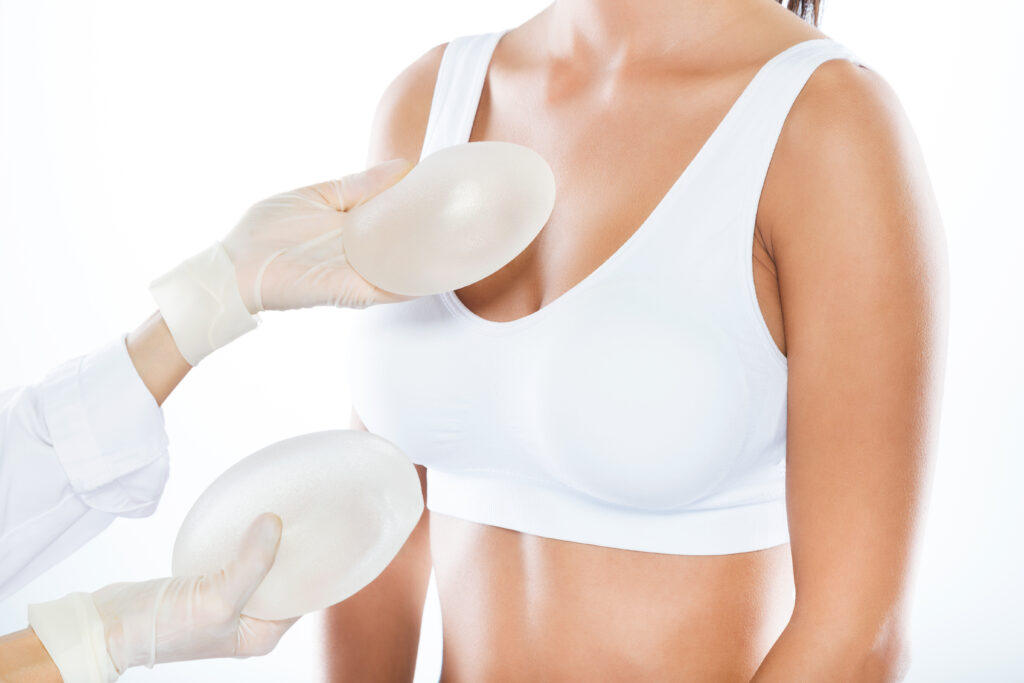
If you’ve been researching breast augmentation, you’ve probably come across a newer term: Preservé (also written as Preservé™). It’s a minimally invasive surgical technique developed by Motiva that aims to deliver the results of a traditional breast augmentation with significantly less tissue trauma, smaller scars, and a faster recovery.
This guide is written for patients — not surgeons. It explains what Preservé is, how it works, who it suits, what it can’t do, and the questions to ask before any procedure. At Pink Apple Aesthetics in Jayanagar, Bangalore, Dr. Pinky Devi Ayyappan believes informed patients make the best decisions.
What Is Preservé Breast Augmentation?
Preservé is a tissue-preserving approach to breast augmentation. Traditional breast augmentation often involves cutting through the pectoral muscle and blunt dissection of the breast pocket, which can disrupt ligaments, nerves, and blood vessels. Preservé takes a different route.
The technique uses specialised single-use instruments — most notably the Motiva Channel Separator and the Motiva Inflatable Balloon — to create a precise pocket for the implant with minimal disturbance to surrounding tissue. The goal is a result that looks, moves, and feels more like your own body. Preservé is always performed using Motiva implants, which are designed to complement the tissue-preserving approach. It is not a brand of implant — it is the surgical method.
How the Procedure Actually Works
Here is a simplified, step-by-step look at what happens in the operating theatre:
- Small incision: A single incision of roughly 2.5 cm is made in the natural crease beneath the breast (the inframammary fold), where scars are least visible.
- Gentle pocket creation: The Channel Separator is used to create a tunnel and pocket by gently displacing — rather than cutting — the breast tissue and surrounding structures.
- Controlled expansion: An inflatable surgical balloon expands the pocket to the exact dimensions needed for your chosen implant, allowing for precise sizing before the implant ever enters.
- No-touch implant insertion: The Motiva implant is inserted using a delivery funnel so it is not handled directly, which helps reduce the risk of contamination and capsular contracture.
- Closure: The incision is closed with fine sutures, designed to fade discreetly into the breast fold over time.
The entire procedure typically takes around 60 to 90 minutes, depending on the case.
What Are the Benefits for Patients?
The appeal of Preservé is that it offers patients a combination of benefits that older techniques often force you to choose between:
- Less tissue trauma. Muscles, ligaments, and nerves are largely preserved, supporting a more natural feel and movement.
- Smaller, more discreet scar. A 2.5 cm scar hidden in the breast crease is far less noticeable than incisions used in some traditional approaches.
- Faster recovery. Because there is less internal disruption, most patients experience less post-operative pain and can return to light daily activities within a few days.
- Preserved nipple sensation and breastfeeding potential. The technique is designed to protect the nerves and glandular tissue involved in sensation and lactation.
- Better long-term stability. Keeping the natural support ligaments intact helps the implant sit more securely over time.
- Lower infection risk. The ‘no-touch’ delivery method reduces bacterial exposure during implant placement.
Who Is a Good Candidate — and Who Isn’t?
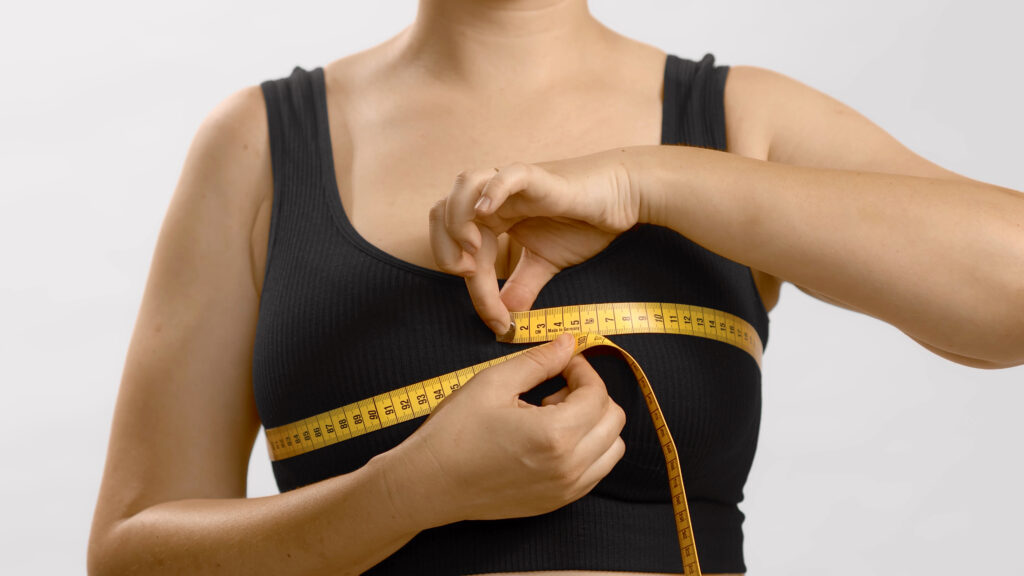
This is the section most marketing pages skip, but it matters. Preservé is not for everyone, and any honest surgeon will tell you so.
You may be a suitable candidate if you:
- Are in good general health and a non-smoker (or willing to stop before surgery)
- Have realistic expectations about breast augmentation outcomes
- Have sufficient existing breast tissue and skin elasticity to cover the implant naturally
- Want modest to moderate volume enhancement with a natural look and feel
Preservé may not be the right choice if you have very thin skin, poor tissue or ligament strength, significant breast changes after major weight loss, or advanced breast sagging (ptosis). In these cases, a breast augmentation combined with a lift — or a different surgical approach — may deliver safer, more predictable results. Your surgeon will examine your anatomy carefully and tell you honestly whether Preservé is right for your body.
What Does Recovery Really Look Like?
Recovery varies from person to person, but the Preservé experience is generally smoother than a traditional breast augmentation:
- Day of surgery: You’ll go home the same day. Mild soreness and tightness are normal.
- Days 1 to 3: Most patients manage pain with oral medication and can walk, eat, and perform light daily activities.
- Week 1 to 2: Many patients return to desk-based work within a few days to a week. Driving is typically possible once you’re off stronger pain medication.
- Weeks 3 to 6: Light exercise can usually resume. Heavy lifting, running, and chest workouts are restricted until your surgeon clears you.
- Months 3 to 6: Swelling fully settles and the implant ‘drops and fluffs’ into its final natural position.
Follow your surgeon’s aftercare instructions exactly — supportive bra use, sleeping position, and activity restrictions directly influence your long-term result.
What Are the Risks and Realistic Limits?
Preservé is safer and less traumatic than traditional techniques, but it is still surgery. Potential risks include bleeding, infection, changes in sensation, capsular contracture (scar tissue tightening around the implant), implant malposition, and — in rare cases — the need for revision surgery. All breast implants are medical devices that may need replacement or removal over the course of your lifetime.
A good surgeon will discuss every one of these risks clearly before you sign any consent form. If a clinic glosses over risks or pressures you into a decision, that’s a signal to walk away.
Choosing the Right Surgeon: Questions Every Patient Should Ask
The outcome of any breast augmentation depends less on the brand of implant and more on the skill, training, and judgement of the surgeon performing it. Before you book, ask:
- What are your qualifications and how many breast augmentations have you performed?
- Are you a board-certified plastic surgeon (MCh in India)?
- Can I see before-and-after photos of your own patients?
- What implant options do you recommend for my body, and why?
- Where will my surgery be performed, and who will be in the operating room?
- What is your approach if I need a revision later?
Breast Augmentation Consultations at Pink Apple Aesthetics
Pink Apple Aesthetics is a plastic and cosmetic surgery clinic in Jayanagar, Bangalore, led by Dr. Pinky Devi Ayyappan, MCh (Plastic, Reconstructive & Aesthetic Surgery) — India’s highest postgraduate qualification in the field. Dr. Pinky is one of the few female MCh plastic surgeons currently practising in Bangalore, with over 12 years of experience and more than 1,000 successful procedures. Her international training includes the DAFPRS Fellowship in Cosmetic Surgery in Belgium and a Facial Aesthetic Surgery Fellowship in Seoul. The clinic holds a 4.9/5 Google rating from 191+ verified patient reviews and was recognised as a Times of India Top Brand in 2024.
Every breast augmentation journey at Pink Apple Aesthetics begins with a detailed one-on-one consultation. Dr. Pinky examines your anatomy, understands your goals, walks you through implant and technique options — including whether a tissue-preserving approach like Preservé is appropriate for you — and gives you a realistic, honest picture of what is achievable. No packages, no pressure, no one-size-fits-all solutions.
Frequently Asked Questions
Will my breasts look and feel natural after Preservé?
That is the design intent of the technique. By preserving ligaments, muscle, and tissue, and using soft, flexible Motiva implants, the result typically feels closer to natural breast tissue than older augmentation methods. Final look depends on your anatomy, implant choice, and how closely you follow recovery instructions.
Can I breastfeed after a Preservé breast augmentation?
Because the technique is designed to preserve glandular tissue and nerves, breastfeeding is typically still possible. However, no breast surgery can guarantee lactation outcomes. Discuss this openly with your surgeon if you plan to breastfeed in the future.
How long do the results last?
Modern Motiva implants are designed for long-term durability, and Preservé’s tissue-preserving approach supports better long-term stability. That said, breast implants are not considered lifetime devices — ageing, pregnancy, weight changes, and normal wear may eventually warrant revision or replacement.
Considering Breast Augmentation in Bangalore?
The best next step is a proper consultation — not more late-night Googling. To understand your options and get an honest assessment from a board-certified female plastic surgeon, book a private consultation with Dr. Pinky Devi Ayyappan at Pink Apple Aesthetics.
Call or WhatsApp: +91 93531 80826
Email: info@pinkappleaesthetics.com
Visit: 40, First Floor, 36th F Cross, 23rd Main Road, 4th T Block East, Jayanagar, Bengaluru, Karnataka 560041
Medical disclaimer
This article is intended for general educational purposes only and does not constitute medical advice. Every patient is different, and the suitability of any surgical procedure — including Preservé breast augmentation — can only be determined by a qualified plastic surgeon after an in-person clinical evaluation. Results may vary from person to person. All surgery carries risk; discuss these thoroughly with your surgeon before making any decision.


