
There’s a particular kind of frustration that comes with saggy thighs — one that no amount of squats seems to fix. You’ve put in the work. You’ve lost the weight, or you’ve had the babies, or you’ve simply lived in your body for a few decades. And yet the skin remains, loose and stubborn, indifferent to everything you throw at it.
If that sounds familiar, you’re not alone — and more importantly, you’re not without options.
At Pink Apple Aesthetics, we see patients every week who feel exactly this way. Some come in ready for surgery. Others aren’t sure where to start. This guide is for both kinds of people — a clear, honest look at what actually works, what doesn’t, and how to figure out which path is right for you.
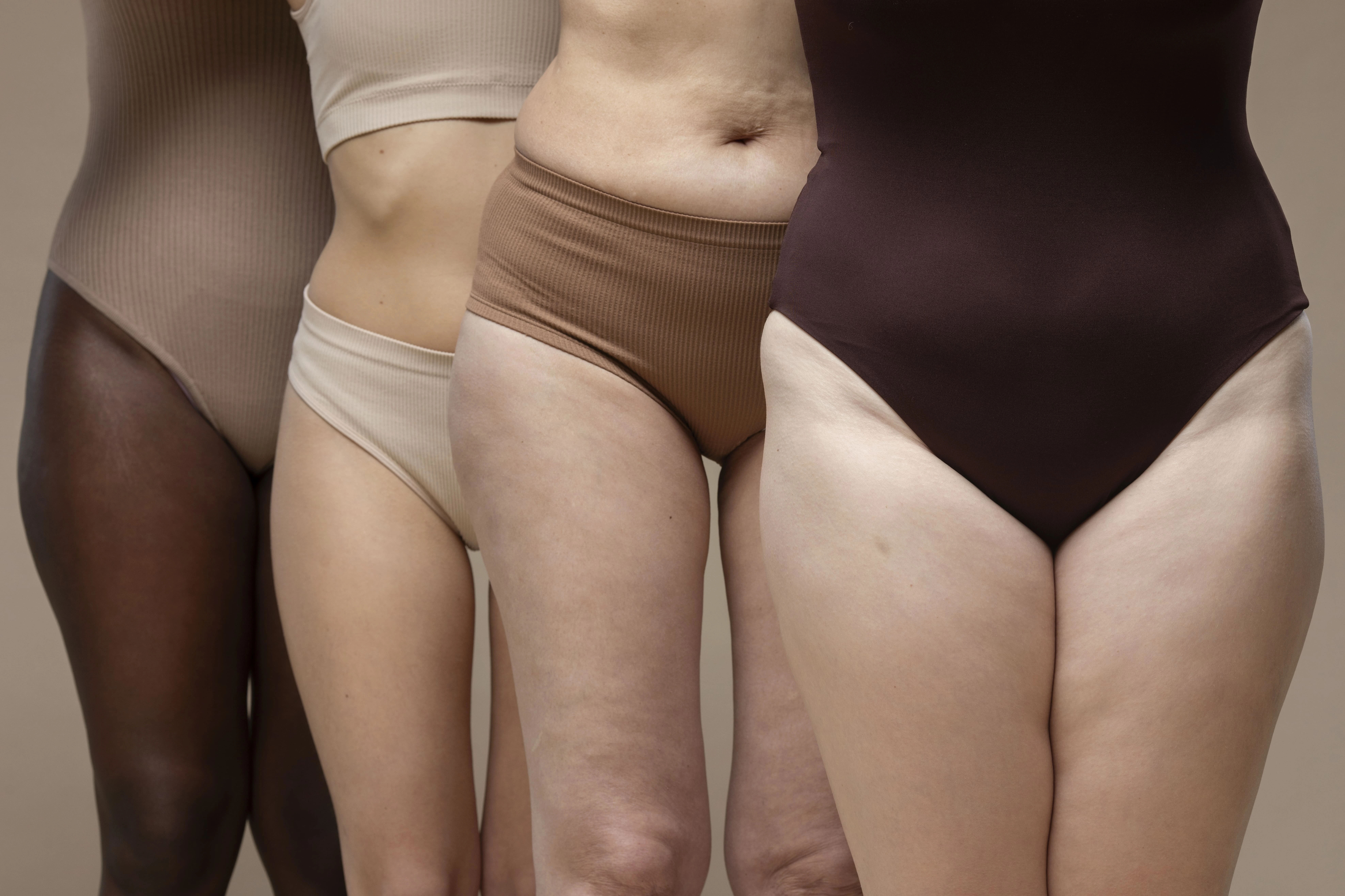
First, Why Does Skin Sag in the First Place?
Understanding the “why” makes the “what to do about it” much clearer.
Skin sags when it loses elastin and collagen — the proteins that keep it firm and resilient. This happens gradually with age, but it can also happen quickly after significant weight loss, pregnancy, or hormonal shifts. When fat disappears faster than the skin can contract, you’re left with skin that has more surface area than the body beneath it needs.
The inner thigh is especially vulnerable. It’s an area with naturally thinner skin and less structural support, which is why it tends to be one of the first places to show sagging — and one of the harder places to treat without targeted intervention.
Can Saggy Thigh Skin Tighten on Its Own?
Sometimes, yes. Mostly, no — and being honest about this saves a lot of time and disappointment.
If the laxity is mild and you’re younger, skin can recover some of its tightness with time, good nutrition, and consistent strength training. Building the quadriceps and hamstrings adds volume underneath the skin, which can make a visible difference. Staying well-hydrated and protecting your skin from sun damage also supports elasticity over time.
But once the skin has stretched significantly — after massive weight loss, for instance, or after multiple pregnancies — it rarely bounces back on its own. The collagen architecture has simply been stretched too far. At that point, waiting and hoping tends to lead nowhere.
Non-Surgical Options: Worth Trying First
Not every person who walks through our doors needs surgery, and we’ll always tell you that plainly.
For mild to moderate skin laxity and localised fat, non-surgical treatments can offer real improvement. Radiofrequency therapy and HIFU (High-Intensity Focused Ultrasound) work by delivering controlled energy deep into the skin, stimulating new collagen production and gradually tightening the tissue. Results build over several weeks and are subtle — which suits many people perfectly.
Cryolipolysis (fat freezing) is another option when excess fat — rather than loose skin — is the primary concern. It reduces fat volume without surgery, though it doesn’t significantly address skin laxity.
These treatments work best as preventive or maintenance options, or for patients with early-stage concerns. If you’re exploring non-surgical thigh fat removal in Bangalore, a proper consultation will tell you honestly whether these treatments can get you where you want to go.
When Surgery Becomes the Right Answer
There are situations where surgery isn’t the dramatic last resort — it’s simply the most effective solution. If skin laxity is significant, no radiofrequency device in the world will replicate what a well-performed thigh lift can do.
A thigh lift surgery (medically called thighplasty) removes excess skin and, where needed, underlying fat, reshaping the thigh into a smoother, firmer contour. Depending on where the concern lies, your surgeon may recommend:
- An inner thigh lift for sagging along the upper inner leg
- An outer thigh lift for skin laxity on the lateral thigh, sometimes combined with a buttock lift
- A vertical thigh lift for more extensive skin removal — common after bariatric surgery or major weight loss
Liposuction is frequently performed alongside a thigh lift to remove fat before the skin is tightened, or as a standalone procedure when excess fat (rather than skin) is the core issue.
If you’re considering thigh lift surgery in Bangalore, choosing a board-certified plastic surgeon with specific experience in body contouring procedures is the single most important decision you’ll make.
What About Pain and Recovery?
Most patients tell us afterwards that it was less painful than they expected. The first 48 to 72 hours involve soreness and tightness — manageable with prescribed pain relief. Swelling and bruising are normal and gradually settle over the following weeks.
Light daily activity typically resumes within two to three weeks. Exercise and more physical demands are usually reintroduced after six to eight weeks, guided by your surgeon. Compression garments are worn during recovery to support healing and help the skin conform to its new contours.
Scarring is a genuine consideration with thigh lift surgery. Incisions are placed as discreetly as possible — typically in the groin crease or along the inner thigh — but scars do exist and take several months to fully mature. A skilled surgeon will discuss this with you transparently before you commit to anything.
Is a Thigh Lift Safe? What Are the Real Risks?
Every surgical procedure carries risk, and it would be dishonest to suggest otherwise. With thigh lift surgery, potential complications include infection, fluid accumulation (seroma), temporary changes in sensation, and asymmetry. Rare but more serious risks exist too, as they do with any surgery performed under anaesthesia.
What significantly reduces these risks is surgical expertise, a proper pre-operative assessment, and following aftercare instructions carefully. This is why the clinic and surgeon you choose matter so much. Experience isn’t a luxury — it’s a safety factor.
What’s the Right Age for a Thigh Lift?
There isn’t one. Age is far less relevant than your overall health, skin condition, and the stability of your weight.
That said, the ideal candidate is someone who has maintained a stable weight for at least six months, is a non-smoker (or willing to stop), has realistic expectations, and is in good general health. Younger patients often heal faster, but many patients in their 40s, 50s, and beyond achieve excellent results.
If you’ve been curious about speaking with thigh lift doctors in Bangalore, a personalised consultation is the only way to know whether you’re a candidate — and what realistic results look like for your body specifically.
A Word on Liposuction’s Long-Term Results
One question we hear often is what happens to liposuction results years down the line. The short answer: the fat cells removed are gone permanently. They don’t grow back. But the remaining fat cells in other areas of the body can still enlarge if weight is gained, which can shift your overall contour over time.
Ten years after liposuction, patients who have maintained a stable lifestyle consistently report lasting results. Those who have gained significant weight often find that results are less defined — not because the surgery failed, but because the body changed.
Liposuction refines. It doesn’t replace the fundamentals of a healthy lifestyle.
Where to Begin
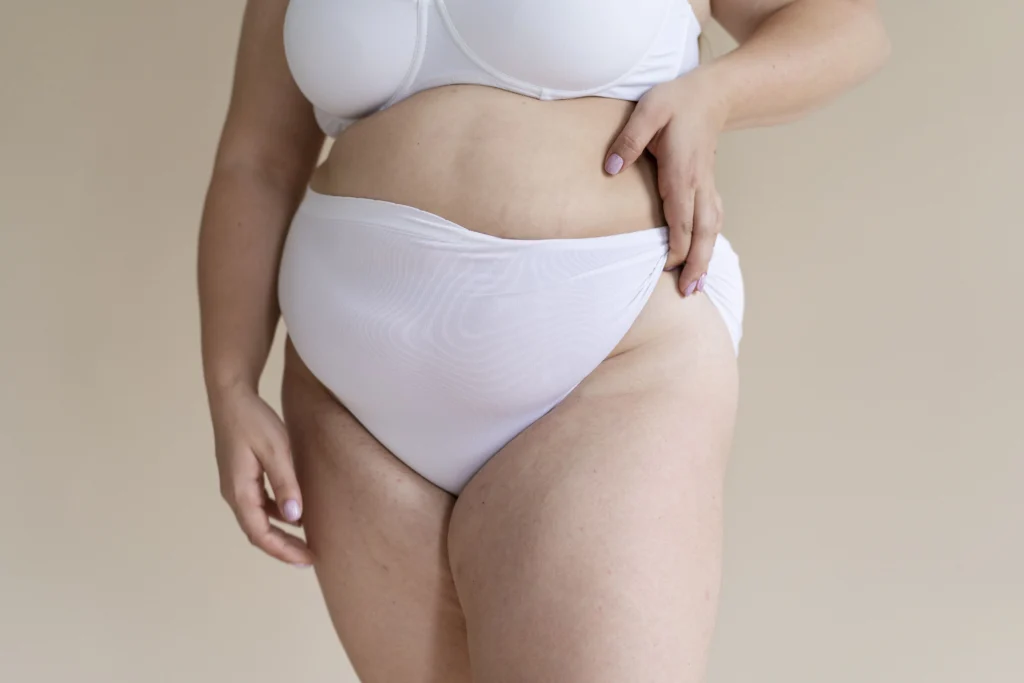
If you’ve been living with saggy thighs and wondering whether anything can be done, the answer is yes — something can almost always be done. The right approach depends entirely on your body, your goals, and your circumstances.
At Pink Apple Aesthetics, we don’t believe in one-size-fits-all treatment plans. We take the time to understand what you’re actually looking for — and to tell you, honestly, what’s achievable and what isn’t.
Book a consultation with our team today. A conversation costs nothing, and clarity is worth everything.
This article is for informational purposes only and does not substitute professional medical advice. All procedures carry individual risks. Please consult a qualified surgeon before making any medical decisions.


