
Liposuction is one of the most popular body contouring procedures in India — and for good reason. When done well, it can reshape stubborn areas that refuse to respond to diet and exercise, delivering results that feel genuinely life-changing. But one question comes up in almost every consultation at Pink Apple Aesthetics: How long does liposuction actually last?
The honest answer is that liposuction can last a lifetime — but only if you understand what it does, what it doesn’t do, and how your lifestyle affects the outcome. This guide gives you the full picture, including things most clinics won’t tell you upfront.

What Is the Best Age for Liposuction in India?
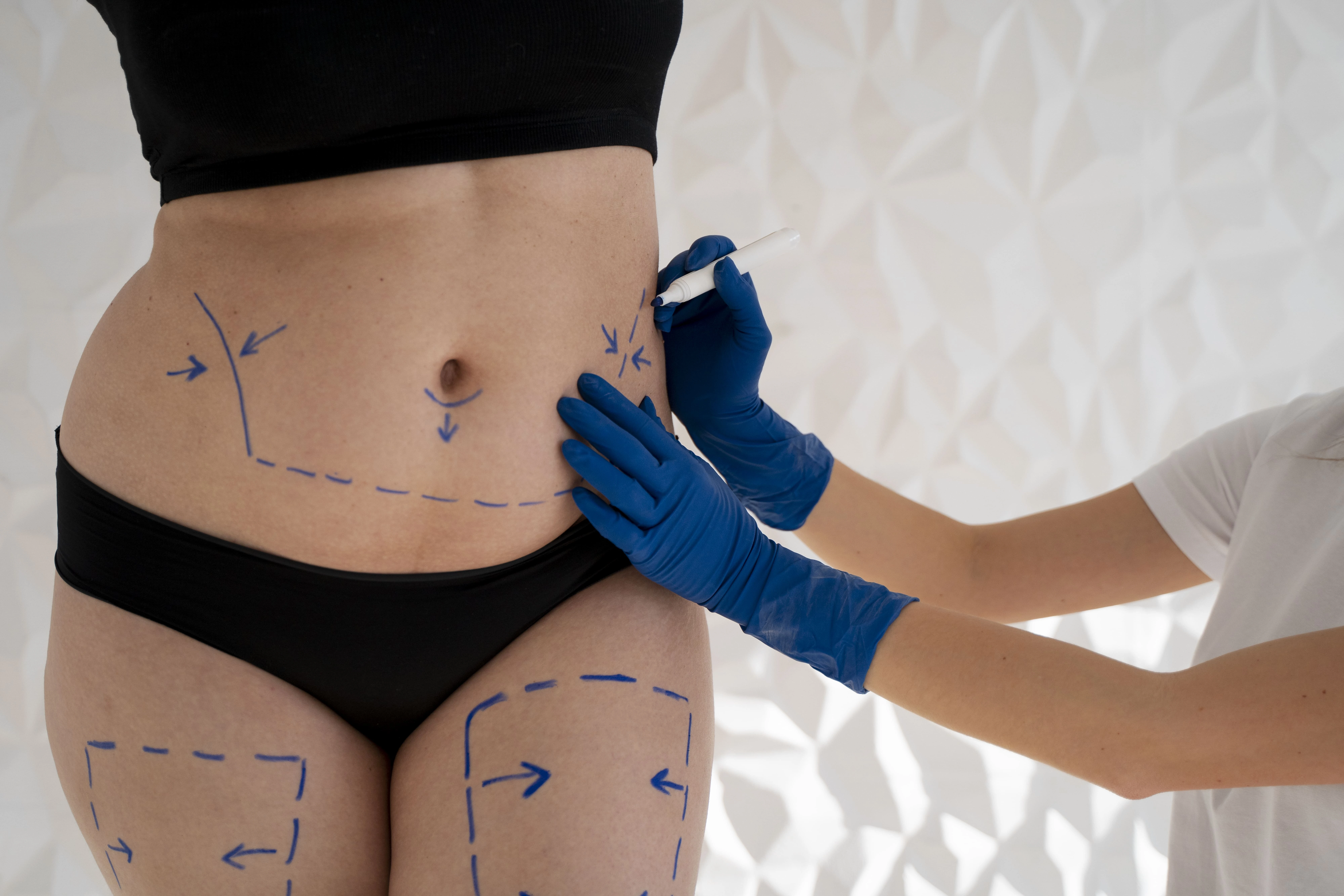
Liposuction is not an age-specific procedure, but age does influence both the results and the recovery.
The ideal age range is generally between 25 and 50. Here’s why:
In your 20s and 30s, skin elasticity is at its best. After fat is removed, younger skin is more likely to retract smoothly and conform to the new contour. Results tend to look cleaner and more natural in this age group.
In your 40s, liposuction still delivers excellent outcomes, especially when combined with skin tightening treatments. However, a thorough assessment of skin laxity is important — removing fat beneath already-loose skin without addressing the skin itself can sometimes worsen the appearance.
Beyond 50, liposuction is still performed safely, but it’s often combined with procedures like a tummy tuck or RF-based skin tightening to manage the reduced skin elasticity that comes with age.
The most important factor is not your age — it’s your overall health, weight stability, and realistic expectations. At Pink Apple Aesthetics in Bangalore, every liposuction candidate undergoes a comprehensive evaluation before any procedure is recommended.
How Painful Is Liposuction Surgery?
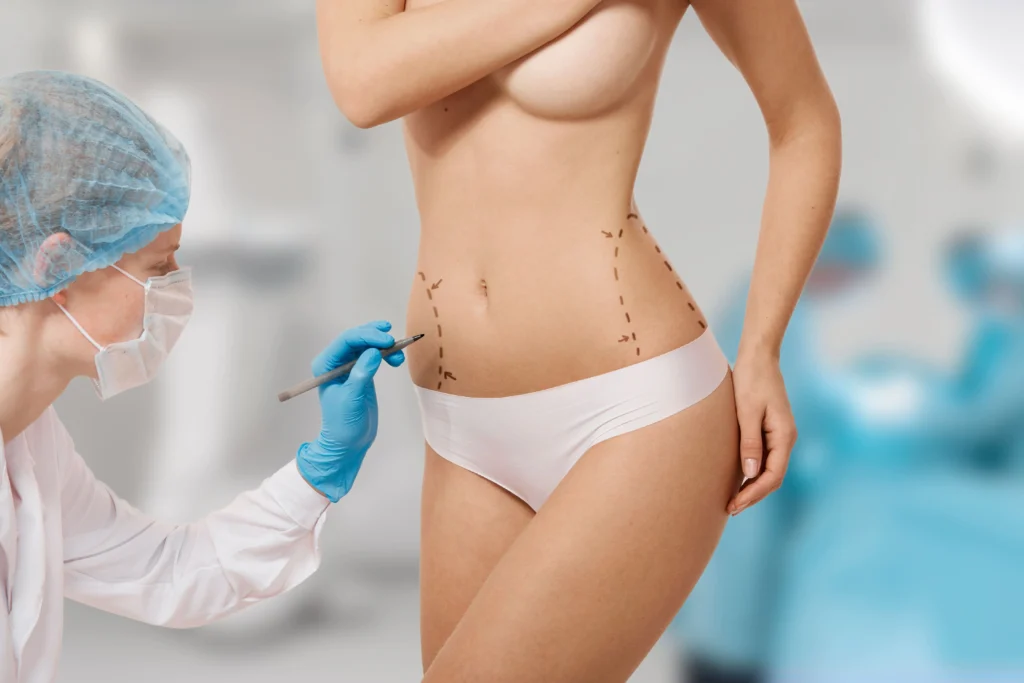
This is the question most patients are nervous to ask, but it deserves a direct answer.
During the procedure: Liposuction is performed under local anaesthesia (for smaller areas) or general anaesthesia, so you feel no pain during the surgery itself.
In the first 24–72 hours after: Most patients describe the sensation as similar to a deep muscle bruise — soreness, tenderness, and a feeling of pressure or tightness in the treated area. This is normal and manageable with prescribed pain relief medication.
Days 3–7: Swelling peaks during this window. The area may feel firm and uncomfortable, but sharp pain is typically not present. Wearing your compression garment consistently during this phase makes a significant difference.
Weeks 2–4: Discomfort reduces considerably. Many patients return to desk-based work within 5–7 days, though physical exertion should be avoided for 4–6 weeks.
The emotional side nobody talks about: Many patients experience a dip in mood during the first two weeks when swelling masks the results. This is completely normal. Final liposuction results typically take 3–6 months to become fully visible as swelling subsides and skin settles.
Pain tolerance varies from person to person, but the vast majority of liposuction patients in India find the procedure far less painful than they expected.
Signs of Bad Liposuction: Know What to Watch For
Not all liposuction outcomes are created equal. Poor technique, unqualified practitioners, or inappropriate patient selection can lead to results that look worse than before. Here are the warning signs of a bad liposuction outcome:
Uneven or lumpy skin (contour irregularities): This is the most common sign of poorly performed liposuction. It appears as dips, bumps, or an asymmetrical surface where fat has been removed inconsistently.
Skin discolouration that doesn’t resolve: Some temporary discolouration is normal post-procedure, but persistent darkening or uneven pigmentation beyond three months should be evaluated.
Skin that sags more after surgery: This happens when fat is removed without accounting for existing skin laxity, particularly common in patients over 40 who weren’t assessed properly beforehand.
Seromas or prolonged swelling: A seroma is a pocket of fluid that accumulates after surgery. While they can occur even with the best surgeons, persistent or recurring seromas may indicate a post-operative complication.
Numbness lasting beyond 6 months: Some temporary numbness is expected, but prolonged or worsening numbness in treated areas should be reviewed by your doctor.
Always choose a qualified, experienced aesthetic surgeon. Ask to see before-and-after photos of their previous patients, and avoid any clinic that offers deeply discounted liposuction packages without detailed medical consultations.
Signs That Your Liposuction Results Are Not Lasting
Liposuction permanently removes fat cells from the treated area. Fat cells do not regenerate. However, the remaining fat cells in your body — both in the treated area and elsewhere — can still expand if you gain weight. Here’s how to tell if your results are fading:
Gradual volume return in the treated area: If you regain significant weight after liposuction, the smaller number of remaining fat cells in the treated area can still enlarge, and fat can also redistribute to untreated areas like the upper abdomen, back, or arms.
Change in body proportions that feel “off”: Some patients notice that when weight is regained, it accumulates in unusual areas — the back, chest, or upper abdomen — because the treated zones have fewer fat cells to absorb it.
Loss of the defined contour over time: A smooth, contoured result that gradually softens or thickens over the years — without significant weight gain — may indicate that suboptimal technique was used initially, leaving more fat cells behind than intended.
The key takeaway: liposuction is a body contouring tool, not a weight loss solution. Patients who maintain a stable weight after their procedure enjoy results that truly do last a lifetime.
Lifestyle Modifications After Liposuction: What You Must Do to Protect Your Results
This is the section that determines how long your liposuction results actually last.
Maintain a stable weight. This is the single most important factor. Aim to stay within 3–5 kg of your post-procedure weight. Significant weight fluctuations will expand remaining fat cells and compromise your results.
Begin light movement early. Short walks within the first week help with circulation and reduce the risk of blood clots. More structured exercise — strength training and cardio — can be resumed from week 4 to 6 with your surgeon’s clearance.
Follow a balanced, anti-inflammatory diet. Focus on whole foods, lean proteins, fresh vegetables, and healthy fats. Reduce processed foods, refined sugars, and excessive sodium (which worsen swelling during recovery). For Indian patients, this means being mindful of high-calorie traditional foods eaten in excess, particularly during the recovery phase.
Wear your compression garment as instructed. Most surgeons recommend wearing it for 4–6 weeks. It reduces swelling, helps skin adhere to the new contour, and minimises the risk of fluid accumulation. Skipping this step is one of the most common reasons people are unhappy with their liposuction outcome.
Stay hydrated. Adequate hydration supports lymphatic drainage and faster healing. Aim for 2.5–3 litres of water daily in the weeks following your procedure.
Attend all follow-up appointments. Post-operative monitoring allows your surgeon to catch and address any early complications before they become significant problems.
Avoid smoking and alcohol. Smoking restricts blood flow and significantly impairs healing. Alcohol causes fluid retention and interferes with the body’s recovery processes. Both should be avoided for at least 4–6 weeks post-procedure.
Frequently Asked Questions
What happens 10 years after liposuction?
If you’ve maintained a stable weight and healthy lifestyle, your liposuction results can look excellent even a decade later. The fat cells that were removed are permanently gone. However, the remaining fat cells can still enlarge with weight gain, and natural ageing will continue to affect your skin’s tone and elasticity over time. Many patients who maintain their weight report being very satisfied with their results 10 years on.
What does no one tell you about liposuction?
Several things most clinics won’t mention upfront: results take much longer to appear than most patients expect — up to 6 months for the final outcome due to swelling. The emotional dip in the first few weeks, when you can’t yet see results beneath the swelling, is real and common. Fat can redistribute to untreated areas if you gain weight. And liposuction does not improve skin quality — if your skin has significant laxity before the procedure, it may need to be addressed separately.
Does belly fat regrow after liposuction?
The fat cells removed during abdominal liposuction do not grow back. However, if you gain weight after the procedure, visceral fat (the deeper fat around your organs) can still increase, and the remaining subcutaneous fat cells in the abdomen can expand. This is why weight maintenance is non-negotiable for long-lasting results. Patients who follow post-procedure lifestyle guidelines consistently maintain their abdominal contour for many years.
How painful is liposuction surgery?
The procedure itself is painless due to anaesthesia. Post-operatively, most patients experience soreness and tightness similar to an intense workout or deep muscle bruise — not sharp, severe pain. The discomfort typically peaks in days 2–4 and reduces significantly by the end of the second week. Compression garments, prescribed medication, and adequate rest make the recovery far more comfortable than most people anticipate.
Considering liposuction in Bangalore? Book a consultation at Pink Apple Aesthetics for an honest, personalised assessment of whether liposuction is right for you — and what results you can realistically expect.


