
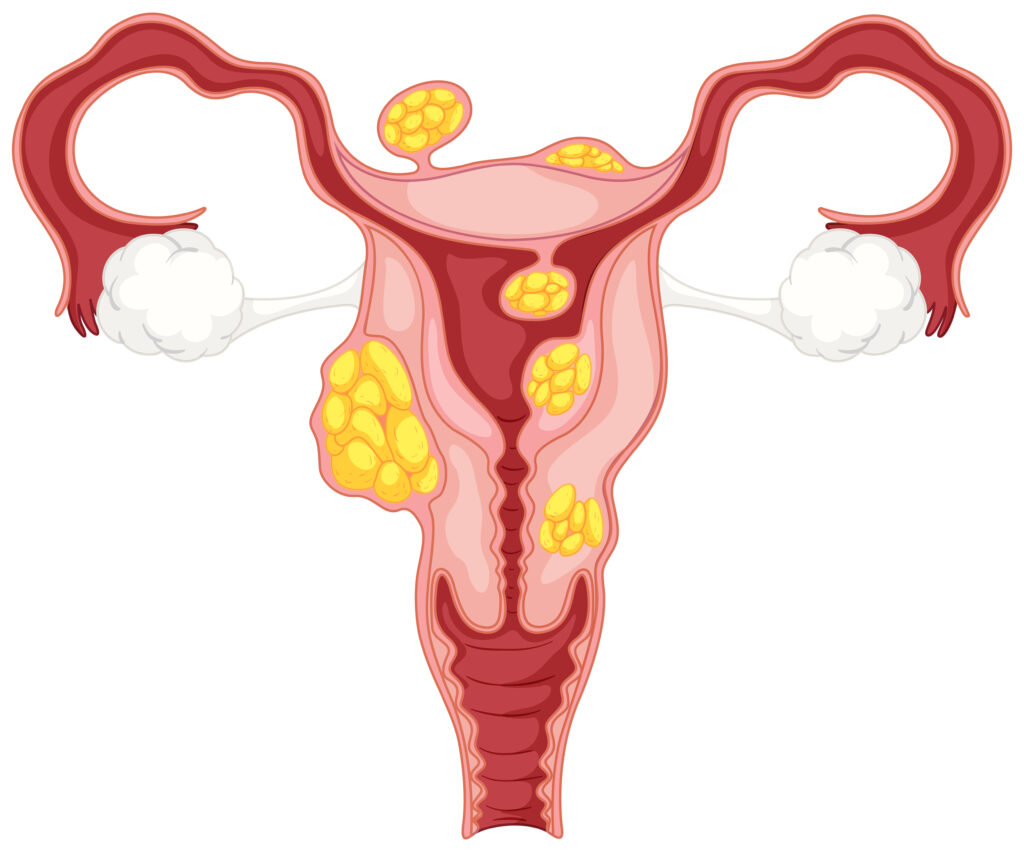
If you’ve been living with a diagnosis of polycystic ovary syndrome — or if you’ve spent years chasing answers for symptoms you couldn’t name — we have news that matters deeply to you. After more than a decade of global research, advocacy, and consultation with over 22,000 patients and medical professionals, the condition once known as PCOS has officially been renamed. It’s now called PMOS: Polyendocrine Metabolic Ovarian Syndrome.
This isn’t just a word change. It’s a long-overdue revolution in how medicine sees, understands, and treats one of the most common hormonal conditions affecting women today. And at Pink Apple Aesthetics, we believe you deserve to understand exactly why this matters — for your health, your self-understanding, and the quality of care you receive.
| “Renaming this condition is more than semantics — it’s about finally recognising the full reality of what patients experience.” |
| 170M women affected worldwide by PMOS | 1 in 8 women diagnosed with this condition | 70%of cases go undiagnosed globally | 11 yrs of global consultation to reach this decision |
Why Was the Name Changed?

The old name — polycystic ovary syndrome — was, at its core, misleading. It pointed squarely at the ovaries and implied that cysts were the defining feature of the condition. But here’s the truth: many women with PCOS never develop ovarian cysts at all. The ‘cysts’ seen on ultrasound are actually arrested follicles, not true pathological cysts. This misrepresentation caused decades of confusion, misdiagnosis, and dismissed pain.
The new name, published in The Lancet on 12 May 2026 and announced at the European Congress of Endocrinology in Prague, corrects all of that. Every word was chosen deliberately.
| PREVIOUSLY KNOWN ASPCOSPolycystic Ovary SyndromeImplied cysts were the defining feature and focused narrowly on the ovaries. | NOW OFFICIALLYPMOSPolyendocrine Metabolic Ovarian SyndromeRecognises hormonal, metabolic, and systemic complexity — the full picture. |
Breaking Down the New Name — Word by Word
The new name was carefully chosen through iterative global surveys, modified Delphi methods, and marketing analyses. Each word carries significant clinical weight:
- Polyendocrine — Recognises that the condition involves multiple interacting hormonal systems, including insulin, androgens, and neuroendocrine hormones. It is not an isolated ovarian issue.
- Metabolic — Acknowledges the inherent metabolic features: insulin resistance, weight changes, increased risk for type 2 diabetes, and cardiovascular health concerns.
- Ovarian — Retained to acknowledge that the ovaries are involved in reproductive function, without implying cysts are the root cause.
- Syndrome — Reflects that this is a constellation of symptoms, not a single-organ disease — validating the full scope of what patients experience.
What This Means for You as a Patient

If you’ve ever felt confused, dismissed, or frustrated by your PCOS diagnosis — this name change is for you. For too long, women walked into clinics with skin concerns like acne and excess hair growth, metabolic symptoms like weight gain and fatigue, and reproductive challenges like irregular periods — and were told it was ‘just hormones’ or that their ovaries ‘looked fine.’ The misleading terminology was a key reason why up to 70% of cases went undiagnosed.
PMOS changes the conversation entirely. When your condition is named accurately, it is taken seriously. Doctors are now guided toward looking at the full hormonal and metabolic picture — not just performing an ultrasound and moving on. Updated clinical guidelines, medical education systems, and international disease classifications will all follow this new naming, ensuring more thorough and compassionate care from day one.
| “PMOS provides more transparency and less confusion for those experiencing symptoms. It creates a better backdrop for truly understanding this multisystem endocrine condition.” |
The Skin & Aesthetics Connection — Why This Matters at Pink Apple
At Pink Apple Aesthetics, we see the visible impact of hormonal imbalance every single day. Acne that doesn’t respond to conventional skincare, excess facial or body hair, hyperpigmentation, oily or congested skin — these are not merely cosmetic concerns. They are symptoms of a complex, systemic condition that deserves to be treated at the root, not just on the surface. With PMOS now formally defined as a polyendocrine and metabolic condition, there is a clearer framework for addressing dermatological symptoms as part of a broader hormonal picture. This means better collaboration between aesthetic practitioners, endocrinologists, and GPs. It means your skin concerns will increasingly be understood in the context of your overall hormonal and metabolic health — exactly the integrated approach we champion at Pink Apple.
Whether you’re managing acne, hirsutism (excess hair), or changes in skin texture linked to hormonal fluctuations, our team approaches your care holistically — understanding that your skin is a mirror of your internal health.
A Decade in the Making — The Story Behind the Change
This was no overnight decision. Led by Professor Helena Teede at Monash University in Australia, the renaming process spanned over 11 years and engaged nearly 22,000 stakeholders — patients, clinicians, researchers, and advocates from every world region. More than 56 leading academic, clinical, and patient organisations — including the Endocrine Society — participated in building consensus.
The process used iterative global surveys, modified Delphi methods, nominal group workshops, and marketing and implementation analyses. The result was published in The Lancet and represents the most rigorous, inclusive rename in modern medical history. A three-year transition period has now begun, supported by a major international education and awareness campaign.
What Happens Next?
Over the next three years, the medical world will transition from PCOS to PMOS across clinical guidelines, educational curricula, and international disease classification systems like the ICD. This is a phased, supported transition — designed to ensure no patient falls through the cracks during the changeover.
If you’ve been previously diagnosed with PCOS, your diagnosis remains valid. You don’t need new paperwork. What changes is the depth and quality of understanding — from your doctor, from society, and perhaps most importantly, from yourself. You were never ‘just’ a cyst problem. You were always more complex, more nuanced, and more deserving of full-spectrum care than the old name allowed.
Our Commitment to You
At Pink Apple Aesthetics, we are committed to staying at the leading edge of hormonal health and aesthetic science. We believe that every woman deserves accurate, stigma-free information about her body. The renaming of PCOS to PMOS is a historic step forward in women’s healthcare — and we will continue to educate, advocate, and support you as this new chapter unfolds.
Your symptoms are real. Your condition is complex. And now, finally, its name reflects that truth.


