

Burn injuries can affect more than just the skin—they can impact movement, appearance, and self-confidence. For many patients, skin grafting offers a safe and effective way to heal damaged tissue and regain both function and confidence.
This guide explains everything you need to know in a simple, clear, and patient-friendly way.
What Is Skin Grafting?
Skin grafting is a surgical procedure where healthy skin is taken from one part of the body (donor site) and placed over a burn wound to help it heal.
It is commonly recommended when:
- The burn is deep or severe
- The skin cannot heal on its own
- There is a risk of infection or scarring
Why Skin Grafting Is Important for Burn Injuries
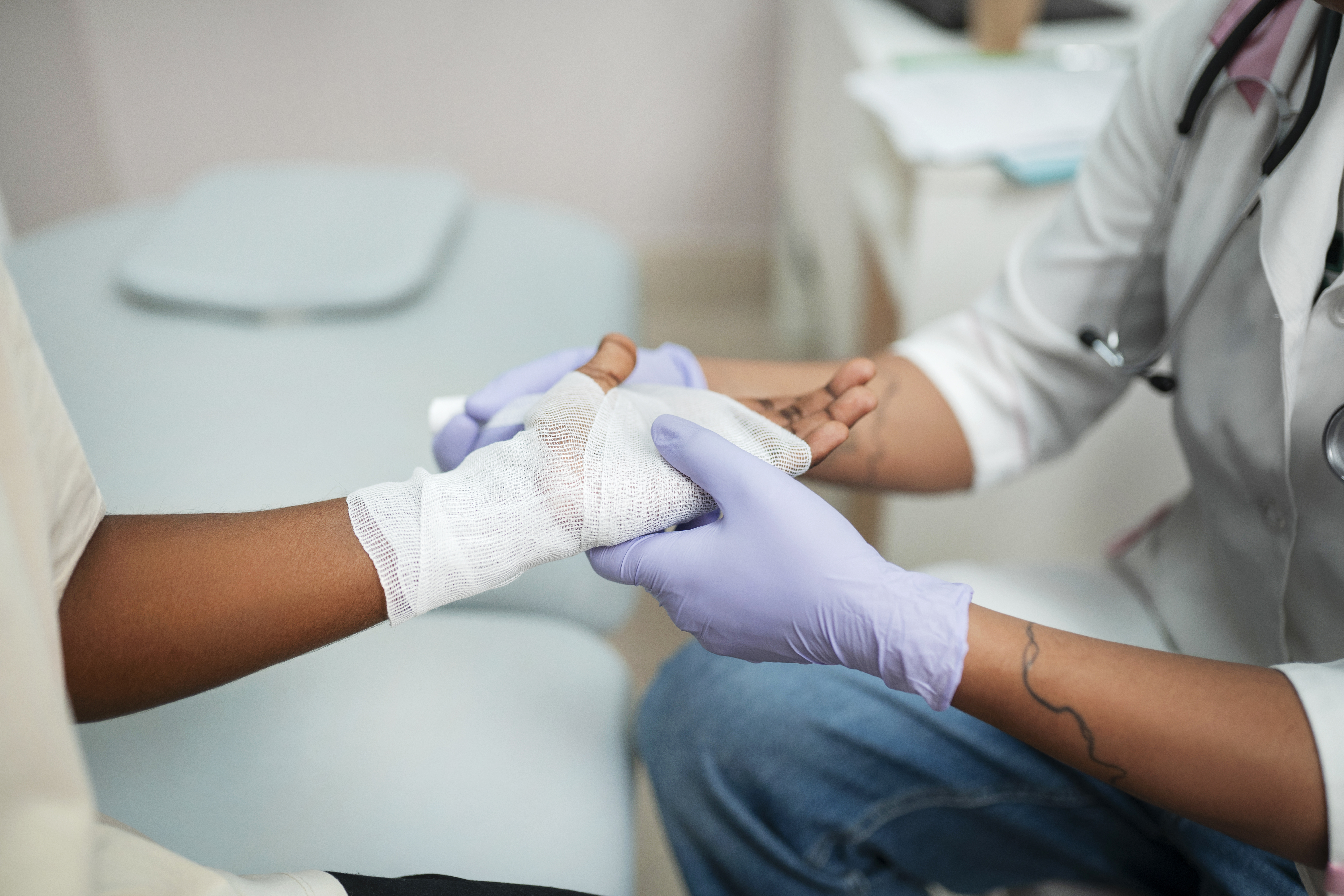
Severe burns damage the skin’s natural ability to regenerate. Without proper treatment, this can lead to:
- Delayed healing
- Infection risk
- Permanent scarring
- Restricted movement (especially near joints)
Skin grafting helps by:
- Covering exposed tissue
- Reducing infection risk
- Speeding up healing
- Improving long-term appearance
Types of Skin Grafts Used in Burn Treatment
1. Split-Thickness Skin Graft (STSG)
- Uses the top layer of skin
- Most common for burn injuries
- Heals faster
2. Full-Thickness Skin Graft (FTSG)
- Includes deeper layers of skin
- Used for visible areas like the face
- Offers better cosmetic results
Your surgeon will recommend the best type based on the depth, size, and location of the burn.
The Skin Grafting Procedure: What to Expect
Here’s a simple step-by-step overview:
1. Consultation & Assessment
Your surgeon evaluates the burn and plans treatment.
2. Preparing the Wound
Damaged tissue is carefully cleaned or removed.
3. Harvesting Skin
Healthy skin is taken from another area (like thigh or back).
4. Placing the Graft
The skin is placed over the burn and secured.
5. Dressing & Recovery
Both donor and graft sites are protected for healing.
Recovery After Skin Grafting
Healing is a gradual process, but most patients can expect:
- First 1–2 weeks: Initial healing and graft attachment
- 2–4 weeks: Improved skin stability
- Several months: Full healing and scar maturation
Tips for Better Recovery:
- Follow your doctor’s instructions strictly
- Avoid pressure or friction on the graft
- Keep the area clean and moisturized
- Attend follow-up appointments
Are There Any Risks?
Skin grafting is generally safe when performed by experienced surgeons, but like any procedure, it may have risks such as:
- Infection
- Graft failure (rare)
- Color mismatch
- Scarring
Choosing a qualified specialist significantly reduces these risks.
Beyond Healing: Restoring Confidence
Burn injuries can affect self-image. Skin grafting not only helps medically but also:
- Improves skin appearance
- Reduces visible scars
- Helps patients feel more confident in social situations
For many patients, this is a life-changing step toward normalcy.
Skin Grafting Cost in Bangalore (General Insight)
The cost can vary depending on:
- Severity of the burn
- Type of graft used
- Hospital and surgeon expertise
A proper consultation is essential for an accurate estimate and personalized treatment plan.
Expert Care Matters
For the best results, always choose a qualified and experienced plastic surgeon. At Pink Apple Aesthetics, treatments are planned with a focus on:
- Safety
- Natural-looking results
- Patient comfort and long-term outcomes
Frequently Asked Questions (FAQs)
Is skin grafting painful?
The procedure is done under anesthesia, so you won’t feel pain during surgery. Mild discomfort during recovery is manageable.
Will the graft match my skin color?
There may be slight differences, but modern techniques aim for natural-looking results.
Is skin grafting permanent?
Yes, once successful, the graft becomes a permanent part of your skin.
How long does it take to heal?
Initial healing takes a few weeks, but full recovery may take a few months.
Final Thoughts
Skin grafting is more than just a medical procedure—it’s a pathway to healing, recovery, and renewed confidence after a burn injury. With the right care and expert guidance, patients can achieve both functional and aesthetic improvement.
Thinking About Treatment?
If you or a loved one is dealing with burn injuries, consult a qualified specialist to explore the best treatment options.


