
Dr. Pinky Devi Ayyappan shares vital insights on the growing risks and how to stay safe.
In the last several years, hair transplants have become one of the most popular cosmetic operations. It’s not surprising that more and more people are signing up for the promise of a wider hairline, as social media stars show off their accomplishments and clinics promise rapid, painless fixes.
But there is a growing worry behind the shiny commercials and stunning before-and-after’s that can’t be ignored. Hair transplants are not just popular in 2025; they are also getting risky, with more and more problems, infections, and even deaths being reported.
Dr. Pinky Devi Ayyappan, a board-certified plastic surgeon, says, “This is no longer just a cosmetic issue.” “Hair transplant procedures are being done without medical supervision, often by untrained technicians, and patients are paying the ultimate price.”
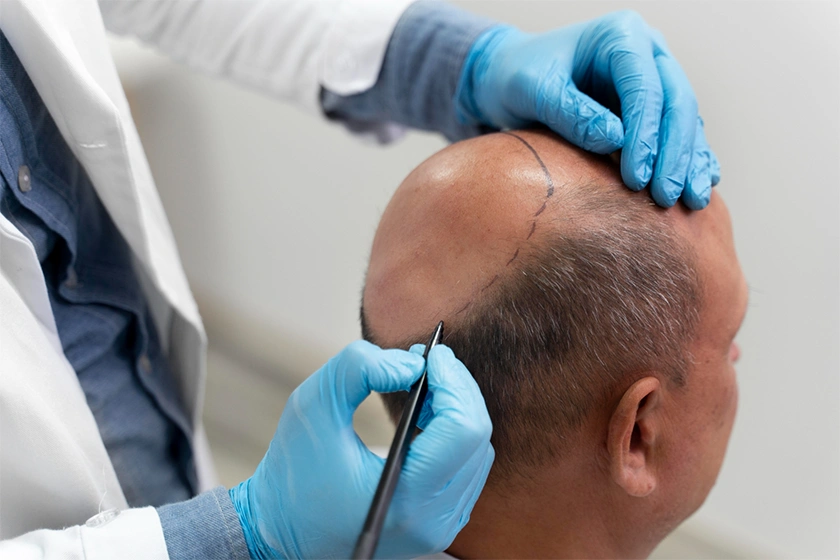
What are the problems with hair transplants these days?
The technique itself isn’t the problem. Hair transplants are usually safe and work well when done by trained specialists in clean settings. But the real concern is that more and more clinics are opening up without any rules. This is especially true for clinics that offer “discount deals” or “medical tourism packages” at costs that seem too good to be true.
Recent events have brought this problem to light in the most devastating way.
Two young engineers died in Kanpur after getting hair transplants at a clinic that was said to not have the right medical equipment. Reports say that problems with anesthesia and bad treatment after surgery were big reasons why they died. In Kerala, on the other hand, a guy had a flesh-eating bacterial illness after getting a hair transplant. This was a horror incident that happened because the clinic didn’t follow basic sterilization rules.
Dr. Pinky says, “These aren’t rare one-time events anymore.” “They’re getting too common.”
The False Idea of “Easy” Surgery
People often think that hair transplants are small procedures that don’t need much consideration or danger. This is not true at all.
A hair transplant is a type of surgery. It requires anesthesia, tissue grafting, and a recovery time that needs to be constantly watched. When safety rules aren’t followed, the chances of getting an infection, getting scars, getting blood clots, or even dying go up a lot.
Dr. Pinky states, “The idea that anyone with a needle and a room can do this is very wrong and very dangerous.” “There is a reason why people go to medical school. And there is a reason why only trained specialists in clean places should execute these treatments.
How to Spot a Risky Clinic
Unfortunately, many people don’t know what to look for or what to avoid. If you’re considering a hair transplant, here are clear warning signs that something isn’t right:
- The clinic doesn’t provide direct access to a board-certified plastic or dermatologic surgeon.
- No one conducts a medical evaluation before the procedure.
- The surgery is done in a non-medical setting, such as a hotel room or salon.
- The team downplays risks or refuses to answer safety-related questions.
- Post-operative care is not included or is vaguely described.
- The clinic promotes massive discounts or influencer deals.
If any of these red flags show up walk away.
So, How Can Patients Stay Safe?
So, How Can Patients Stay Safe?
Safety starts with education and awareness. Dr. Pinky shares a few essential steps every patient should follow before choosing a clinic:
- Always ask who will perform the surgery and verify their credentials.
- Visit the clinic in person to assess hygiene standards and speak to real staff.
- Insist on a consultation that includes a health check, medical history, and explanation of risks.
- Ask for emergency protocols what happens if something goes wrong during the procedure?
- Review before-and-after photos of real patients (not just social media influencers).
- Understand the post-operative care plan including wound care, infection monitoring, and follow-ups.
“Choosing a clinic should not feel like buying a product online,” Dr. Pinky advises. “It should feel like preparing for surgery because that’s exactly what it is.
The Cost of the Pressure to Look Perfect
The culture of social media is part of the problem because it shows immaculate hairlines and beauty makeovers as easy and safe. Influencer discounts and transplant packages that are easy to travel with make the process seem more glamorous, but they often leave out the medical facts.
Dr. Pinky tells us that the price of believing this lie might be far more than money. “People think they’re mending a cosmetic problem, but they could be putting their lives in danger. No aesthetic reward is worth that danger.
Hair Transplants Can Be Safe When Done Right
Even though people are becoming more worried, hair transplants are not always dangerous. The operation itself has changed a lot in the last few years, and with the correct skill and setting, it can change your life.
The most important thing is to pick a clinic that puts patient safety, health, and long- term care ahead of marketing and profit.
- Board-Certified Surgeon: Confirm the credentials of the practitioner. A plastic surgeon or dermatologic surgeon with hair transplant experience is essential.
- Accredited Facility: The procedure should be conducted in a hospital or surgical center with sterilized equipment and emergency support.
- Pre-Surgical Evaluation: A detailed consultation should assess your medical history, allergies, and suitability for the procedure.
- Anesthesia by Professionals: Anesthetics should only be administered by trained professionals with resuscitation equipment on standby.
- Post-Op Follow-Up: Ensure your clinic offers structured aftercare, wound monitoring, and clear emergency contact options.
“Safety is not a luxury it is a right,” states Dr. Pinky. “Every patient deserves competent medical care, especially when undergoing a surgical procedure, no matter how routine it may seem.”
In Conclusion, Choose the Safe Option in 2025
More people than ever can get hair transplants, but that also means they are more likely to be misused. As we’ve seen, taking shortcuts can have terrible effects. Take a minute if you’re thinking of getting a hair transplant this year. Think again. Find out more. Ask hard questions. And most importantly, take care of your health.
“Your hair can come back, but let’s make sure you come back safe, healthy, and happy.”


